Geongyu Lee · 이건규
Geongyu Lee · 이건규 Machine Learning Researcher · Seoul

Geongyu Lee이건규

AI Researcher · OMIXAI

Multimodal Learning · Interpretability · Reliable ML

I build machine learning models that hold up on data they were not trained on, such as new hospitals and unseen drugs. I connect different types of data, including images, proteins and RNA, and check where each prediction comes from before trusting it.

Research

I have 5+ years of industry experience in machine learning R&D, spanning research questions, data analysis, model development, experimental design and scientific writing.

My research interests center on learned representations, the basis of model predictions, and the conditions under which results can be trusted. I study methods for connecting different types of data and building interpretable models, with evaluation that accounts for distribution shifts and uncertainty.

Most of this work used biomedical data, where labels are expensive, data shift between hospitals and models must pass regulatory validation. Methods that hold up under those conditions carry over to other domains, and I want to apply them to new data and questions.

Research Interests

  • Multimodal & Representation LearningH&E images combined with proteomics and RNA (MoSPR, drug-response models)
  • Interpretability & Explainable AIPredictions decomposed into global and region-specific programs (MoSPR), class-activation-map audits
  • Generalization & RobustnessSite-disjoint hold-outs across hospitals, leave-drug-out splits, site-confounding audits
  • Uncertainty & Reliable EvaluationWithholding predictions on unreliable regions (MurSS), OOD-aware active learning, pre-registered protocols

What I bring to a team

  • From research to product. Contributed to pre-deployment validation and regulatory documentation for a medical-AI product submitted to Korea's MFDS.
  • Data pipelines. Built whole-slide-image pipelines for multi-hospital studies and a data-transfer system with a partner company.
  • Research infrastructure. Run the team's research servers and NAS, and set up its Git collaboration rules.
  • Mentoring and review. Guide early-career researchers and project teams as a Codeit mentor, and review for ML4H 2026.

Experience

OMIXAIFeb 2025 – Present
Seoul · formerly RadiSen

AI Researcher

Cross-modal learning · Multi-omics · Drug response
  • Lead ongoing multi-omics R&D for drug-response prediction using proteomics, RNA and H&E.
  • Developed proteomics-based IC50 models, canine-cancer drug recommendations and ADMET models.
  • Co-led OMIXAI's Arc Institute Virtual Cell Challenge entry.
  • Run research servers and NAS; set up Git collaboration rules and a partner data-transfer system.
Additional work
  • Lead R&D on a multi-omics model that combines proteomics and RNA with H&E pathology to predict drug response (in progress).
  • Built a proteomics-based drug-response (IC50) model for cell lines, with Pearson ≥ 0.65 on unseen drugs (leave-drug-out; internal R&D, unpublished).
  • Developed a drug-recommendation algorithm for canine cancer and ADMET prediction models.
  • Co-led OMIXAI's team entry in the Arc Institute Virtual Cell Challenge (predicting CRISPR-knockdown response in pluripotent stem cells).
  • Co-first author of the MoSPR preprint on gene-expression prediction from H&E (code released).
  • Co-authored the G2L paper (AAAI 2026 Workshop W3PHIAI, oral) and a 2026 spatial-proteomics preprint on triple-negative breast cancer.
  • Run the in-house research servers and NAS. Set up Git collaboration rules and built a data-transfer system with a partner company.
Deep BioMar 2021 – Jan 2025
Seoul · Guro

AI Researcher

Computational pathology · Model validation for an MFDS submission
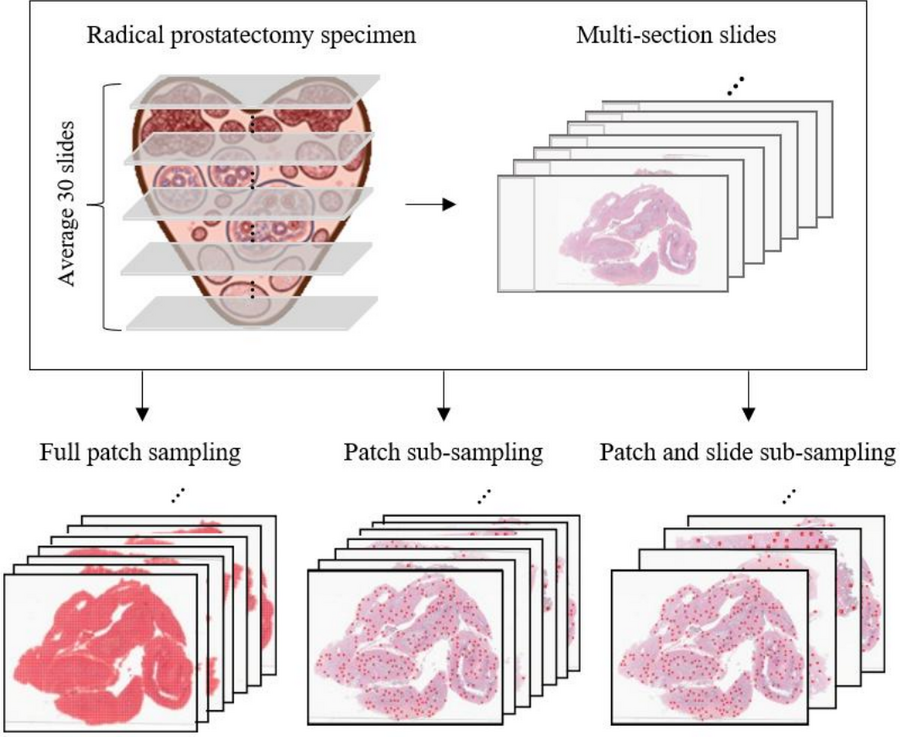
  • Built WSI pipelines and breast-cancer recurrence models for a two-hospital study.
  • Developed lymph-node metastasis detection and glomerular segmentation models.
  • Led prostate-cancer metastasis and recurrence-risk modeling.
  • Contributed model validation and regulatory documentation for an MFDS submission, and built Docker-based server-automation tools.
Additional work
  • First-authored a two-hospital breast-cancer recurrence study (Scientific Reports 2025). Built a WSI pipeline that processed 500+ slides.
  • Developed a lymph-node metastasis detection model and the glomerular segmentation model for the KPIs 2024 Challenge at MICCAI 2024 (2nd place, whole-slide track). Co-authored the challenge report (Medical Image Analysis, 2026).
  • Led prostate metastasis and recurrence-risk modeling projects.
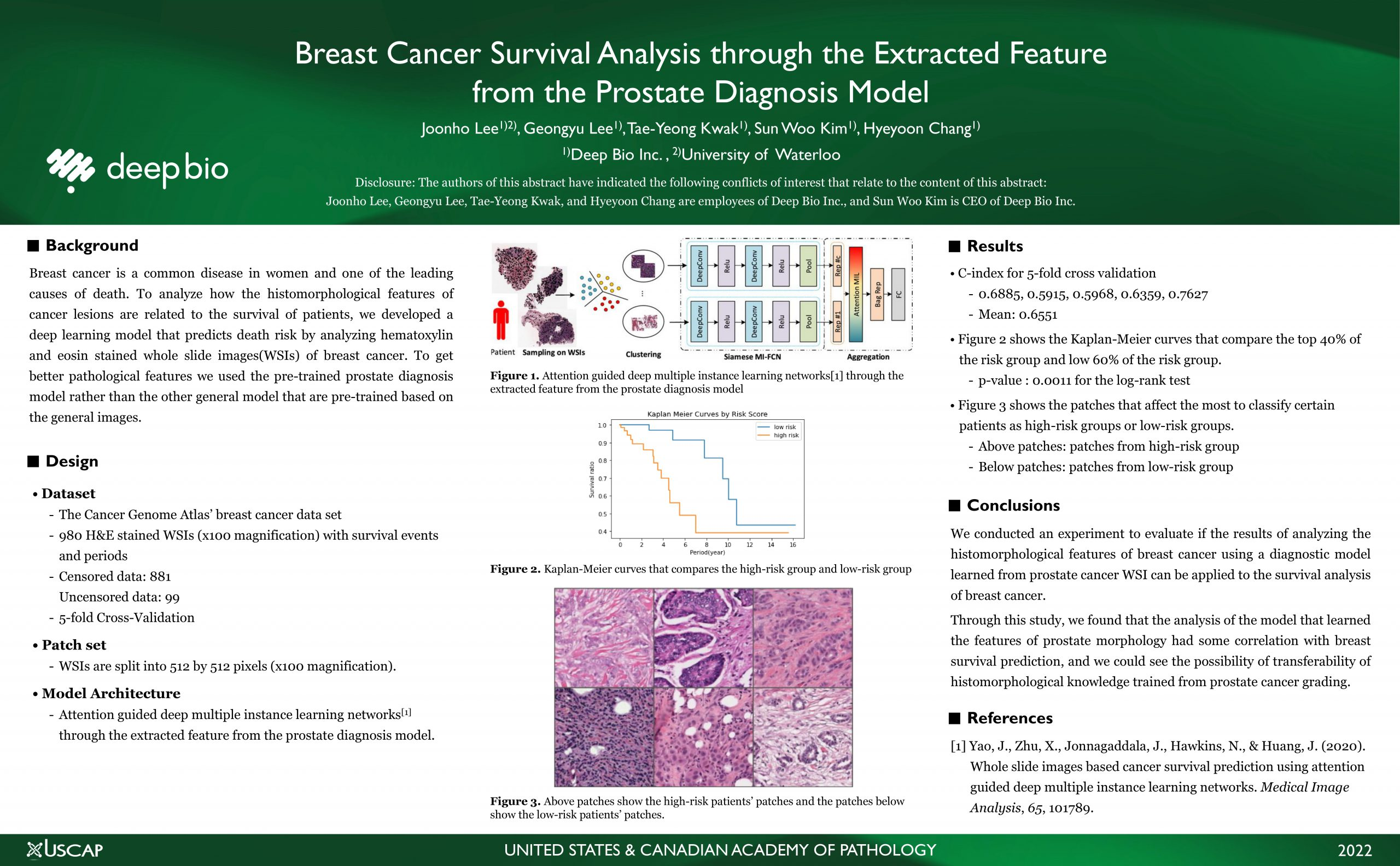
  • Presented breast-cancer pathology AI work as first author at AACR (2022, 2023) and USCAP (2022). Co-authored posters on survival prediction in pancreatic and breast cancer.
  • Contributed to pre-deployment model validation and regulatory documentation for a medical-AI product submitted to Korea's MFDS. Built internal server-automation tools with Docker.
Nuricon2021
Pangyo

Intern

Computer vision
  • Built a parking-lot fire-detection AI system.

Projects

multimodal learning · interpretability · reliable MLcode ↗ github.com/Geongyu
Proteomics · OMIXAI

Drug-response prediction from proteomics

Internal R&D Unpublished

Cell-line drug-response (IC50) prediction from proteomics, evaluated leave-drug-out so that no test compound is seen in training (Pearson ≥ 0.65). Separate work covers self-supervised proteomic representation learning with LoRA/PEFT.

Multi-omics · OMIXAI

RNA–protein analysis for dual-target siRNA selection

Genes 11,238 Median Spearman ρ 0.441 CPTAC GBM, n = 100

Part of a glioblastoma dual-target siRNA program. Matched transcriptome and proteome for 100 CPTAC GBM patients and tested how well RNA expression tracks protein abundance for each gene. Used 1,000-permutation nulls, multiple-testing correction, sensitivity checks and flags for variability, low expression and missingness to build an evidence table for ranking wet-lab candidates.

OMIXAI · Korea–Japan collaboration

Pan-Sarcoma: Drug response in canine tumors

Participating researcher 2025–2028 Ongoing; results not yet public

Within the Pan-Sarcoma proteogenomic profiling program, we combine proteomics, H&E images and RNA from canine tumors provided by the Japanese partner to predict drug response and study molecular characteristics. The dataset began with sarcoma and now covers multiple cancer types.

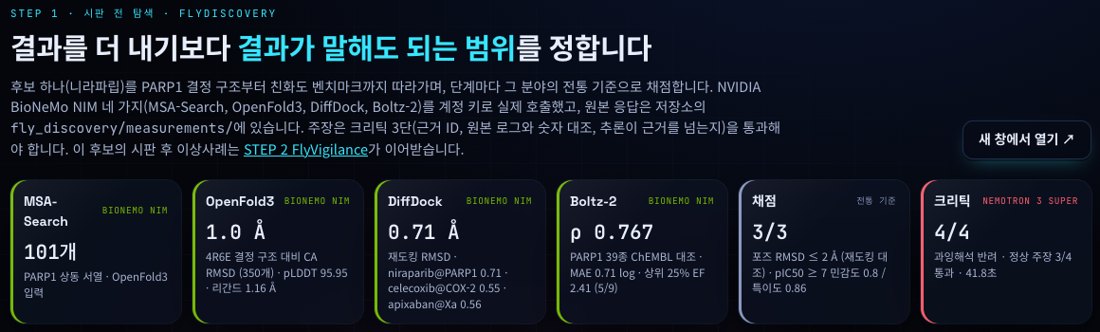
FlyDiscovery workbench: PARP1 × niraparib structure, docking and affinity evidence
Side project · NVIDIA Hackathon 2026

FlyGate: Drug discovery and safety monitoring

Off-the-shelf NIM checks · OpenFold3 RMSD 1.0 Å Boltz-2 affinity ρ 0.767 live ↗ code ↗

NVIDIA Korea Agentic AI Hackathon 2026 entry (team of 5). It links pre-market target binding (FlyDiscovery) and post-market adverse-event surveillance (FlyVigilance) in one agent. I built the FlyDiscovery module and its discovery-workbench UI. The module runs structure prediction, docking and binding-affinity scoring with BioNeMo NIM (OpenFold3, DiffDock, Boltz-2).

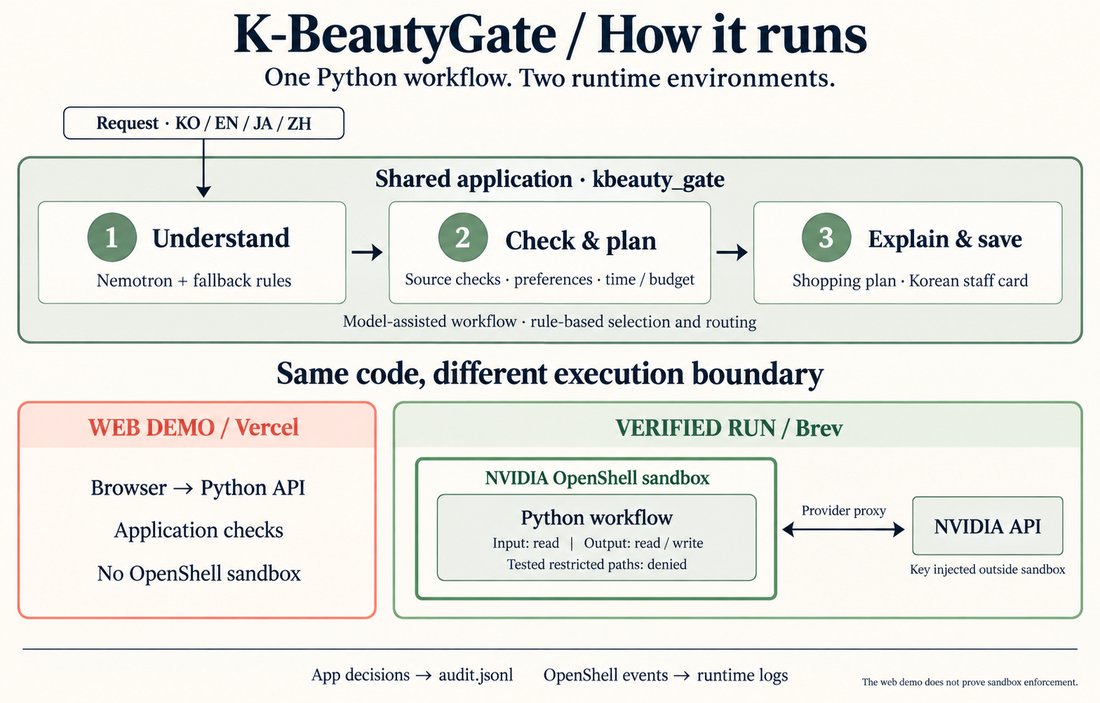
K-BeautyGate architecture: one Python workflow run on a Vercel web demo and inside an NVIDIA OpenShell sandbox on Brev
Side project · Korea Agentic AI Hackathon 2026

K-BeautyGate: Shopping agent for visitors, run in a sandbox

Nemotron + rule checks KO / EN / JA / ZH OpenShell bypass attempts denied 4 / 4 live ↗ code ↗

Built with Team FlyGate (team of 5). The agent turns a visitor's preferences, ingredients to avoid, budget and time into product picks with reasons, a store route and a Korean card to show shop staff. I wrote the core Python workflow, the web demo and its Vercel deployment, the checks against Korean MFDS and Taiwan TFDA ingredient and recall data, and the guards that refuse risky requests and prompt-injected documents. The same code runs inside an NVIDIA OpenShell sandbox on Brev, where the archived run shows normal model calls allowed and file and network access outside the policy denied.
More research and engineering
Precision oncology · OMIXAI

Veterinary oncology CDSS & Virtual Cell

Canine drug recommendation top-k ≥ 70% · in-house cohort · internal R&D, unpublished CRISPR perturbation

Developed a drug-recommendation algorithm for canine cancer, intended for a clinical decision support system. Co-led OMIXAI's team entry in the Arc Institute Virtual Cell Challenge (predicting CRISPR-knockdown response in pluripotent stem cells).

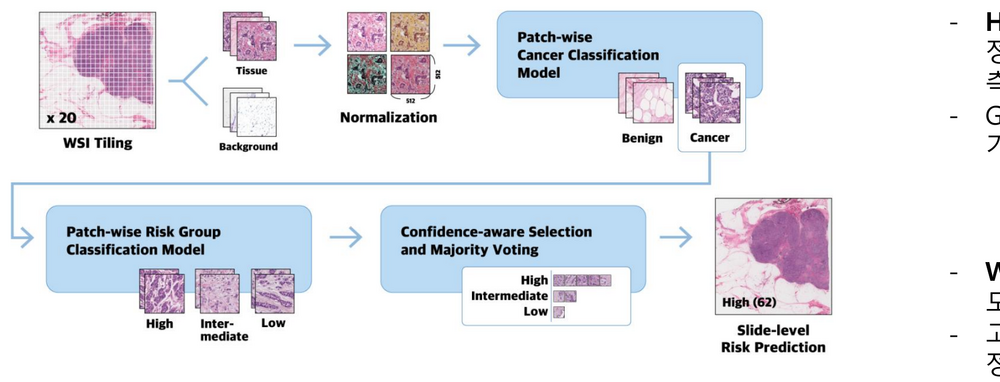
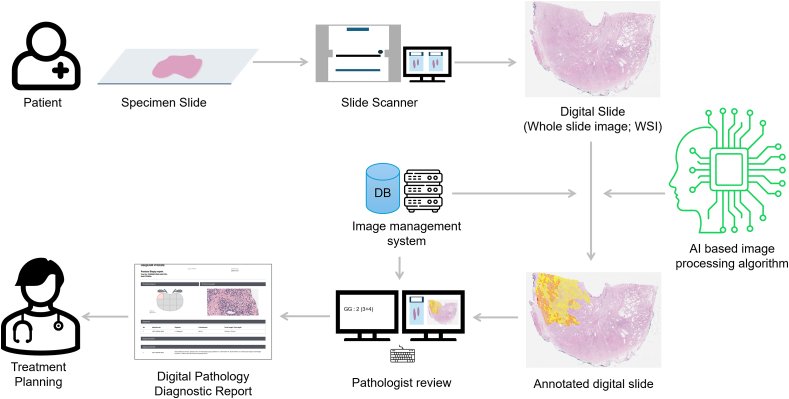
H&E WSI tiling to slide-level risk prediction pipeline
Digital pathology · Deep Bio

Oncotype DX risk groups from H&E

Scientific Reports 2025 · first author · n = 125, 2 hospitals Sensitivity L / I / H 0.86 / 0.75 / 0.53 Specificity L / I / H 0.82 / 0.80 / 0.97

Predicted 21-gene recurrence-score (Oncotype DX) risk groups from H&E WSIs alone, with no other clinical inputs. Patch predictions were selected by confidence and majority-voted into slide-level low / intermediate / high risk groups.

Additional R&D · Deep Bio

OOD-aware active learning for pathology · ADMET / DTI

ADMET DTI OOD detection Active learning

ADMET prediction and drug–target interaction modeling for early drug-property profiling, and an active-learning framework that defines out-of-distribution pathology samples to make labeling more efficient. Internal R&D, no public results.

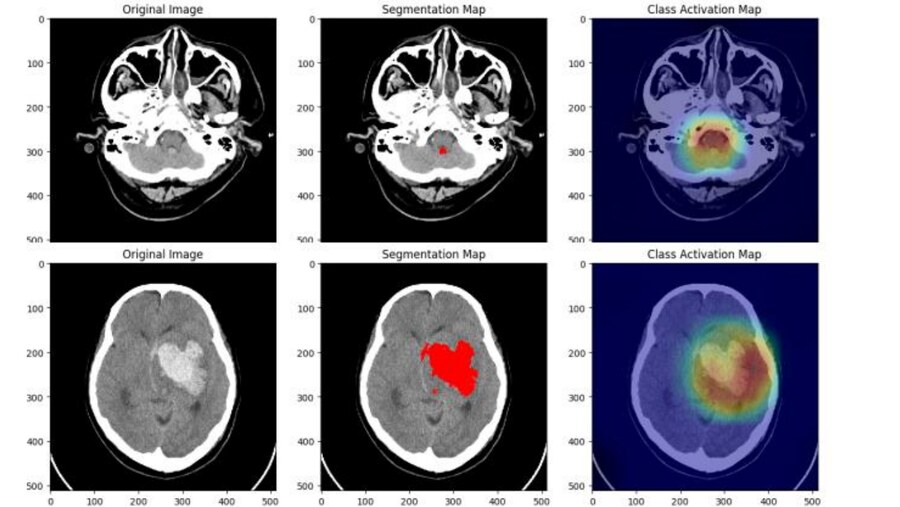
Brain CT hemorrhage segmentation and class-activation maps
Medical imaging · SK / Ajou Univ. Hospital

Brain-hemorrhage detection on CT

2D + 3D seg Domain generalization code ↗

2D and 3D segmentation of hemorrhage regions plus slice-level classification. Validated domain generalization on external public data and used class-activation maps to check classification reliability (U-Net vs DeepLab).

Earlier work (2019–2020) on industrial vision, tabular ML, data engineering and segmentation robustness is on GitHub.

Publications

Journal papers, preprints and workshopsGoogle Scholar ↗
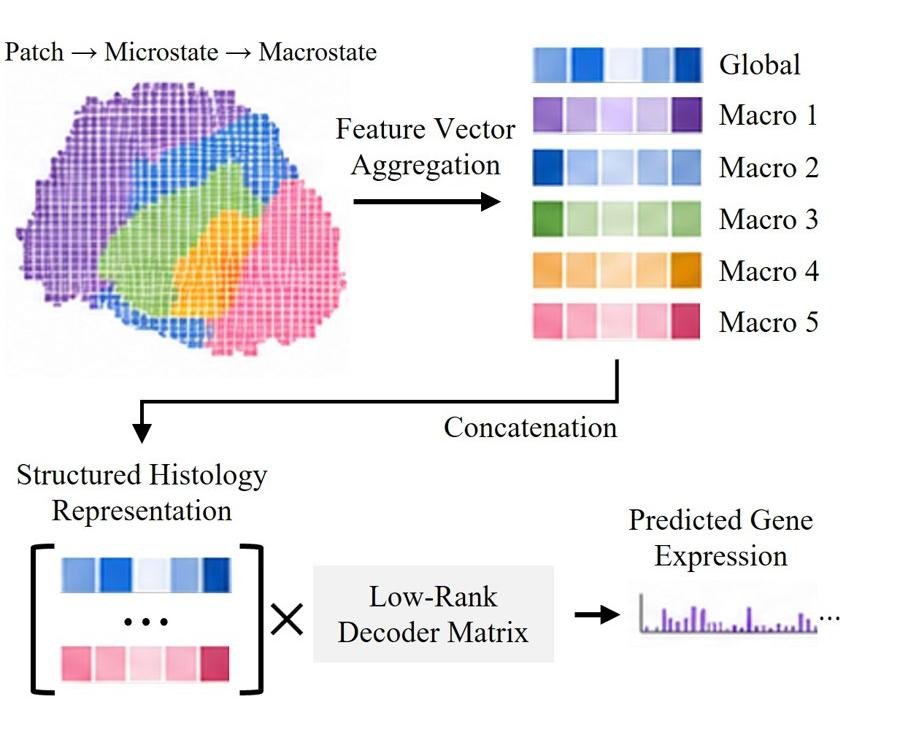
MoSPR: patches to morpho-spatial macrostates, then low-rank regression to gene expression
Preprint 2026 Under review Co-first author †

MoSPR: Histology-to-Gene Expression Prediction with Morpho-Spatial Macrostates and Low-Rank Molecular Programs

Research summary

A linear model that groups WSI patches into morphological microstates, finds spatial macrostates from their adjacency, and maps them to gene expression through low-rank molecular programs. It outperformed 14 baselines on three TCGA cancer types and stayed ahead of them when trained on less data. Because the model is linear, each prediction can be decomposed into global and region-specific programs.

Gene-wise PCC BRCA 0.413 · KIRC 0.334 · LUAD 0.358 1st of 15 methods in the paper's benchmark
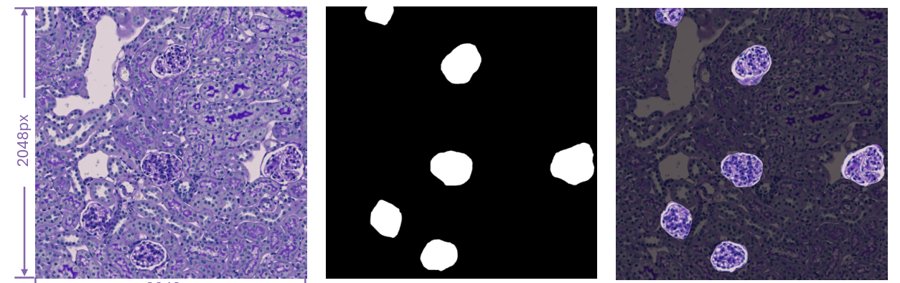
KPIs 2024 patch-level glomeruli: PAS image, ground-truth mask and overlay
Medical Image Analysis 2026 Challenge report Co-author

KPIs 2024 challenge: Advancing glomerular segmentation from patch- to slide-level

Research summary

Official report of the KPIs 2024 Challenge on glomerular segmentation (Medical Image Analysis, vol. 114, 104234). It covers generalization from patch-level training to slide-level inference. I am a co-author as a member of the Deep Bio team, which placed 2nd in the whole-slide track.

Whole-slide track 2nd place Deep Bio team MICCAI 2024
Paper ↗
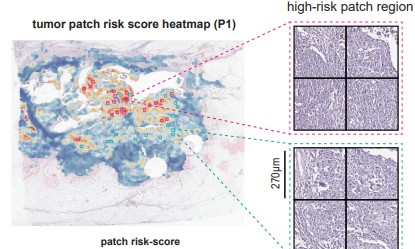
Tumor patch risk-score heatmap with high- and low-risk patch regions
Preprint 2026 Co-author

Spatial proteomics guided by H&E-based AI reveals recurrence-risk niches in triple-negative breast cancer

Research summary

H&E-based AI risk scores were used to select regions for spatial proteomics in 156 triple-negative breast cancer patients. High-risk niches showed proliferative programs and low-risk niches showed immune activation. Combining the resulting 13-protein signature with the image-based risk score improved prognostic performance.

H&E risk model AUC 0.77 / C-index 0.77 independent test H&E + 13-protein composite OOB C-index 0.679 → 0.739
arXiv ↗
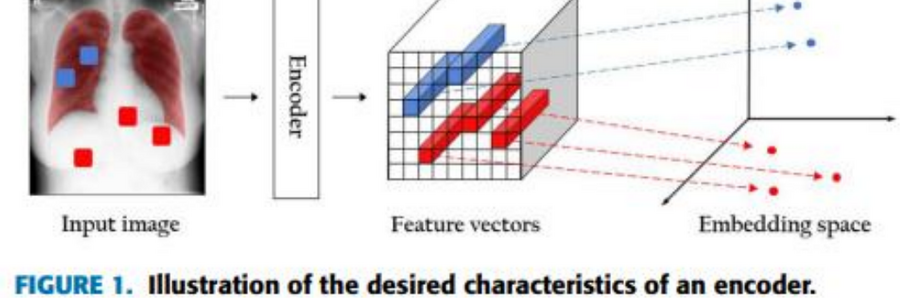
Encoder embedding-space illustration for supervised contrastive learning
IEEE Access 2021 Co-author

Supervised Contrastive Embedding for Medical Image Segmentation

Research summary

A lab paper related to my M.S. thesis. It proposes a pixel-wise contrastive loss defined at the region-annotation level, which stabilizes segmentation when medical-image labels are scarce and unreliable.

Contrastive learning Scarce / noisy labels
IEEE ↗

Conferences

Posters and talksPresentation archive ↗
BIOINFO/GIW ISCB-Asia 2026 Accepted poster First & presenting author

Predictability is not substitutability: a cost-of-substitution framework for H&E-based molecular prediction across 5 cancers

Research summary

Seoul · Nov 17–20, 2026. High accuracy does not make an H&E model a substitute for a molecular test. We defined substitution cost as the deviation from a prespecified treatment routing caused by each misclassification, and applied one pre-registered protocol (UNI + CLAM-SB, site-disjoint hold-outs, label-shuffle controls) to five cancers. Of about 15 endpoints, only HPV status in head and neck met the confirmation criterion. Lung histological subtype scored highest (AUROC 0.939) but was excluded after a site-confounding audit. Most of the rest were reported as undecided rather than negative. With Pseudo Lab.

Confirmed HNSC HPV · AUROC 0.959 Excluded lung subtype · V(site, label) = 1.0
BIOINFO/GIW ISCB-Asia 2026 Accepted oral Co-author

A reliability map for per-gene multiome RNA velocity parameters in single-cell kinetics

Research summary

Seoul · Nov 17–20, 2026. We asked whether the per-gene parameters from multiome RNA velocity methods (transcription rate α, degradation rate γ, chromatin-to-transcription lag) are reliable. Five velocity arms were tested on four axes (cross-method reproducibility, an ATAC-shuffle control, replication in five external multiomes, and comparison with measured synthesis and degradation rates). Only α reproduced across methods, and the γ and lag estimates need orthogonal validation.

α reproducibility ρ = 0.88 γ ρ ≈ −0.1 pre-registered 6 / 6 passed
AACR Annual Meeting 2023 Poster First author

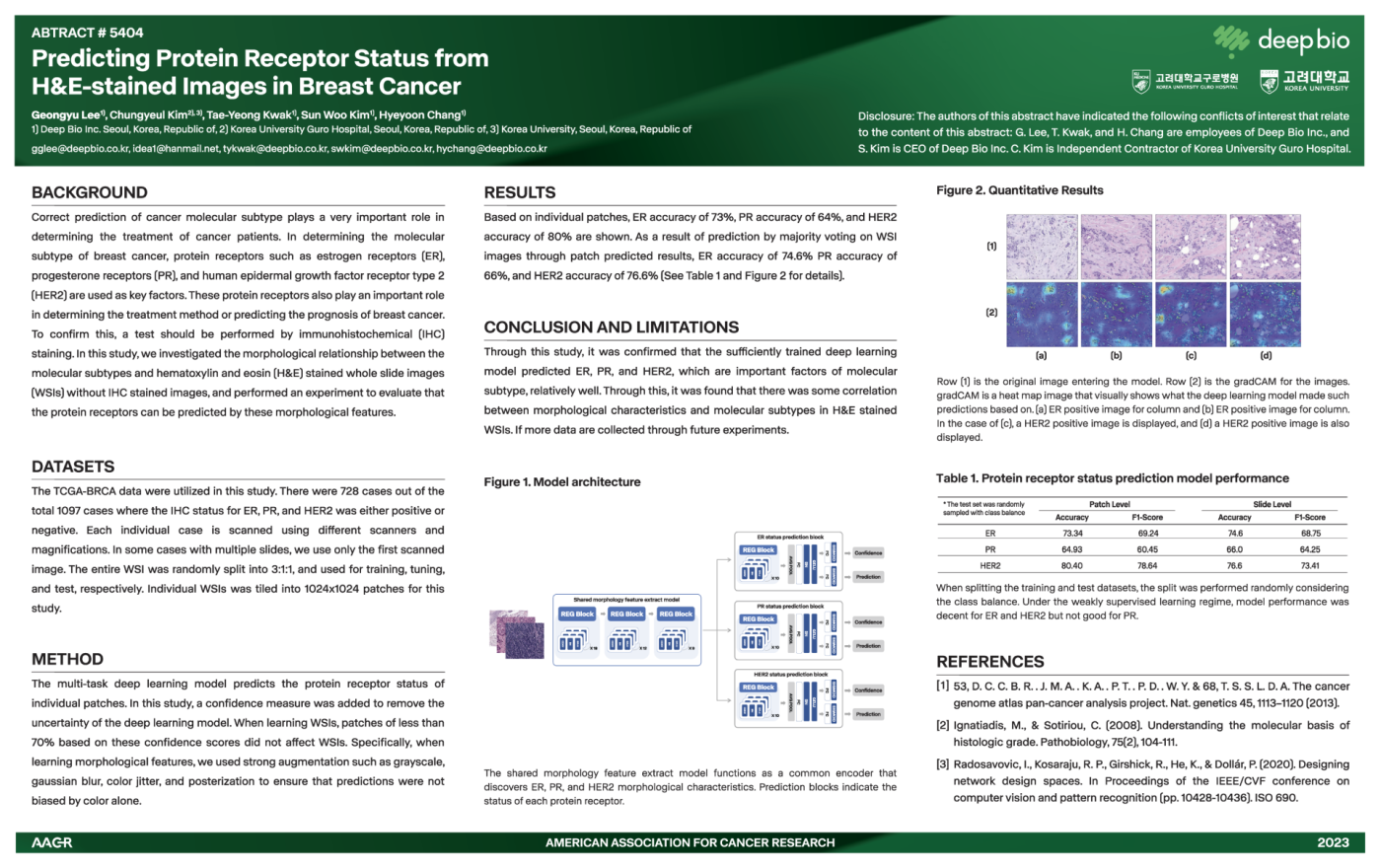
Predicting protein receptor status from H&E-stained images in breast cancer

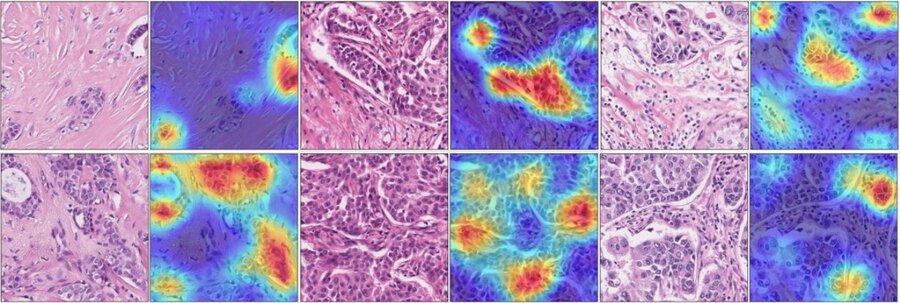
Research summaryGrad-CAM over H&E for protein-receptor status prediction

Orlando · April 2023 · Abstract #5404. Predicted ER, PR and HER2 status from H&E WSIs alone, without IHC. On TCGA-BRCA (728 cases), a multi-task model used a shared morphology encoder, per-receptor heads and confidence-based patch selection. Patches below 70% confidence were dropped. Color augmentation was applied to reduce sensitivity to stain color variation. With Korea University Guro Hospital.

Slide-level accuracy · class-balanced test set ER 74.6 · PR 66.0 · HER2 76.6
Poster ↗
USCAP Annual Meeting 2022 Poster First author

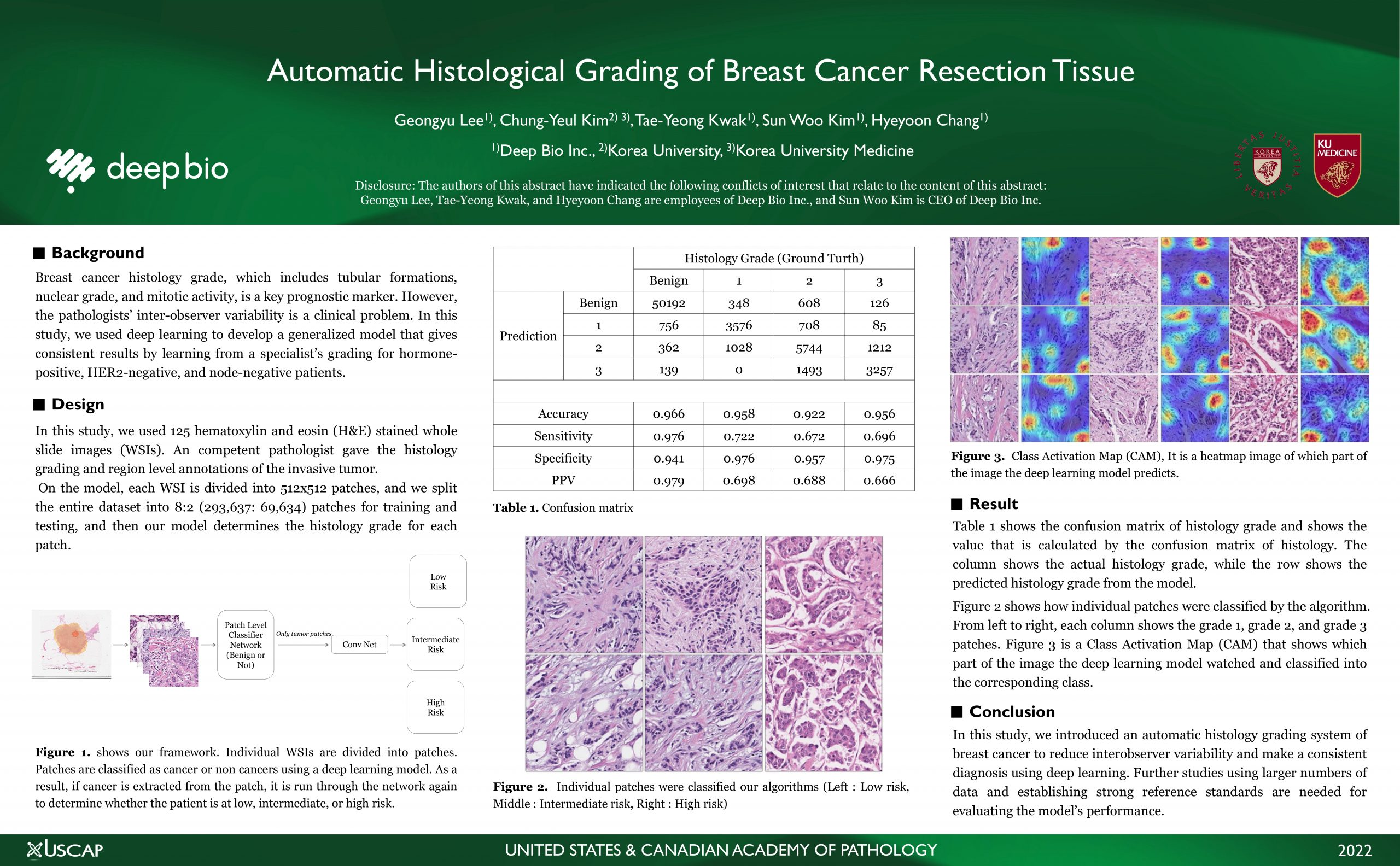
Automatic histological grading of breast cancer resection tissue

Research summaryClass-activation maps for breast histologic grading

March 17, 2022. Classified tumor patches as histologic grade 1, 2 or 3 on 125 pathologist-annotated H&E WSIs to reduce inter-observer variability. With Korea University Medicine.

Patch one-vs-rest accuracy G1 / G2 / G3 0.958 / 0.922 / 0.956
Poster ↗
KIIE Fall Conference 2020 Oral First author

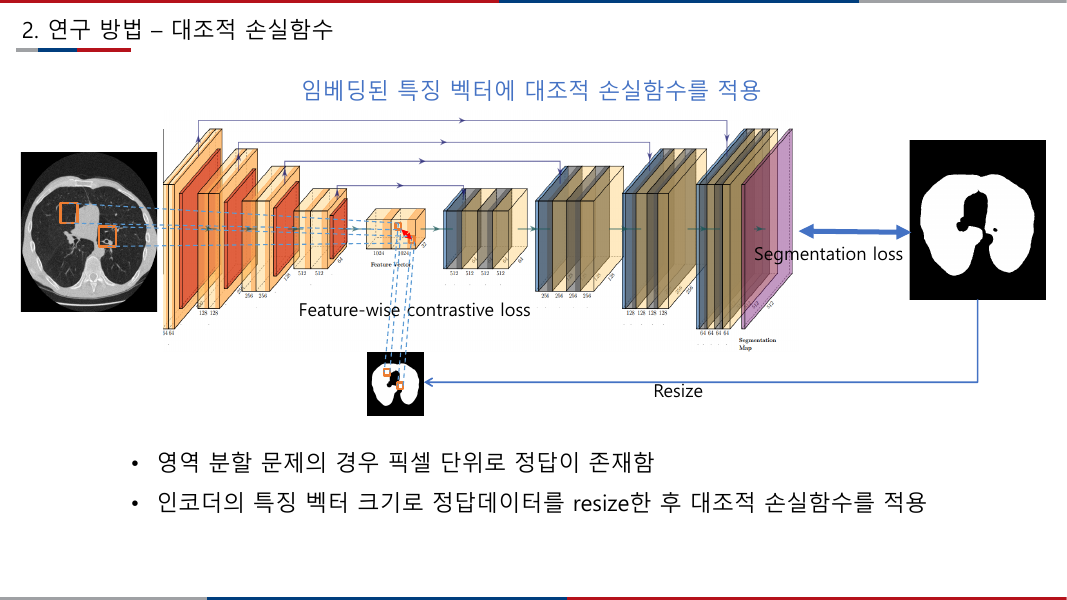
Utilizing a contrastive loss to improve segmentation model performance

Research summaryU-Net with feature-wise contrastive loss on encoder embeddings

Advised by Prof. Sangheum Hwang at SeoulTech. Added a feature-wise contrastive loss at the encoder bottleneck, which improved U-Net and UNet++ on CT lung and liver segmentation. This work became the basis of my M.S. thesis.

Liver DSC 0.912 → 0.923 Liver ASD 0.533 → 0.365
Slides ↗

Education

SeoulTech2019 – 2021
Seoul

M.S. in Data Science

Seoul National University of Science and Technology (SeoulTech) · Advisor: Prof. Sangheum Hwang
  • Thesis: “Utilizing Feature-wise Contrastive Loss for Improving Segmentation Performance.”
Daejeon University2012 – 2019
Daejeon

B.S. in Information Security

Leadership & Community

community research · reviewing · mentoring
Pseudo Lab2026 · Season 12
Open research community

AutoBioX: AI Agents for End-to-End Bio Research

Research member (Runner) · Completed
  • Member of a nine-person team working on AI agents for biological research.
  • Two studies from the project were accepted at BIOINFO/GIW ISCB-Asia 2026, one as a poster (first and presenting author) and one as an oral presentation (co-author). Work from both was later submitted to the ML4H 2026 Findings track (under review).
ML4H2026
Academic service

Reviewer

Machine Learning for Health Symposium
  • Peer reviewer for ML4H 2026 submissions.
Codeit2025 – Present
Part-time

AI Career & Project Mentor

Mentoring · Project guidance · Career coaching
  • Mentored 30+ early-career AI and data professionals one-on-one on résumés, portfolios and career direction. Guided 8+ project teams (4–6 members each) across 3 cohorts, from scoping and method design to review of deliverables.

Tools

Deep Learning

PyTorchHuggingFacePEFT / LoRAAccelerateDDP / FSDP

Pathology Stack

OpenSlideQuPathCLAM / weakly-supervised MILUNI · CONCH · VirchowWSI tiling

Bio / Omics

scanpy · AnnDataSingle-cell perturbationProteomic representationADMET

MLOps & Languages

PythonR · SQL · BashDocker · SlurmW&B · MLflowFastAPI · Git

Funded research

Participating researcher

Pan-Sarcoma Proteogenomic Profiling for Precision Oncology

Korea–Japan · Kyung Hee Univ. Medical Center
Apr 2025 – Dec 2028 · Participating Researcher

Virtual-Cell CDSS for Veterinary Oncology

IPET / Ministry of Agriculture · National R&D Program
2026 – 2030 (awarded) · Participating Researcher

General-Purpose AI for Cancer Pathology Diagnosis

Lead: Deep Bio · National R&D Program
Program Apr 2021 – Dec 2025 · Participating Researcher, Apr 2021 – Jan 2025

Contact

For research collaborations or roles, email me. Publications are on Google Scholar and code on GitHub.